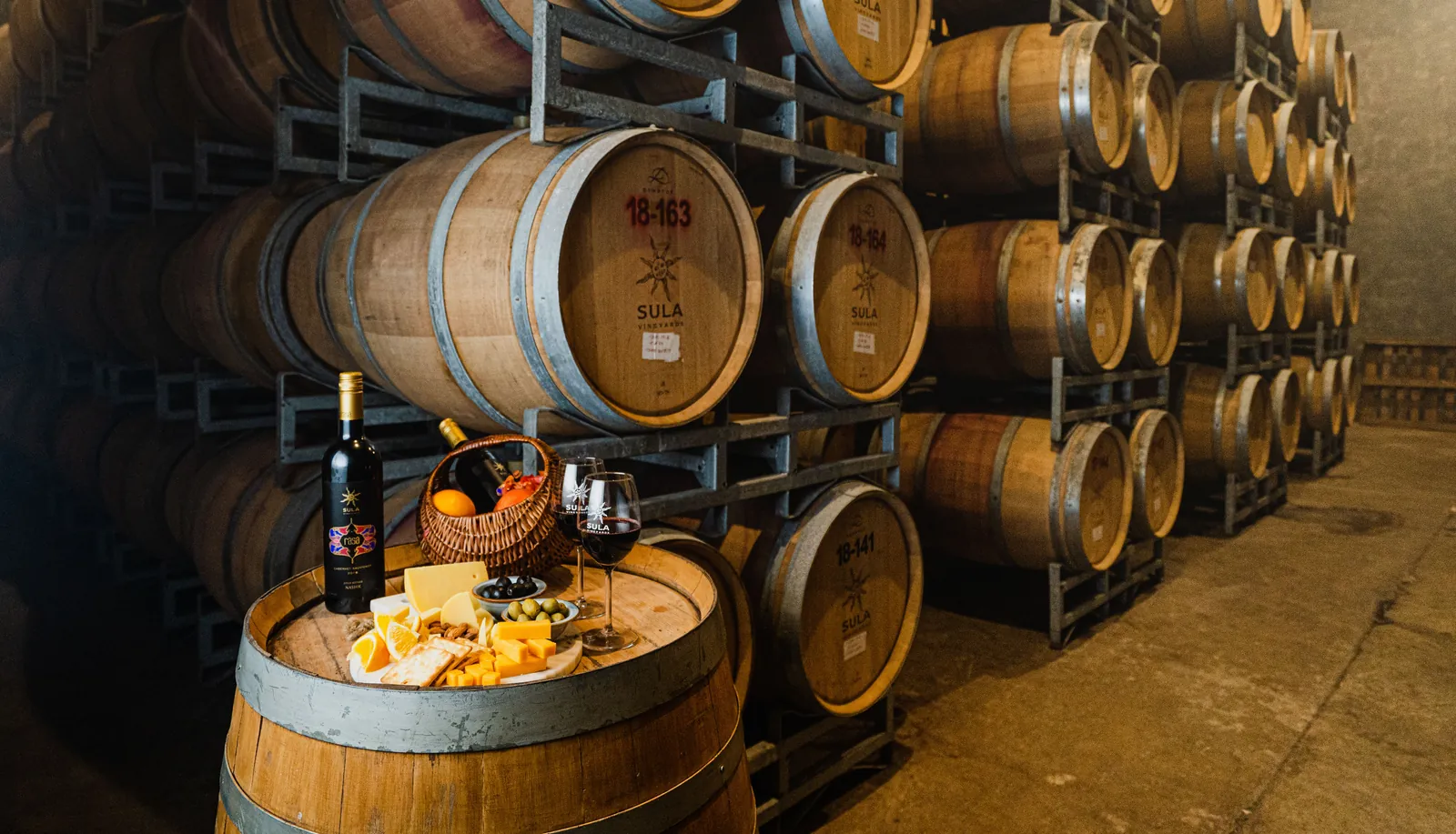
Sula Vineyards, the Nashik based producer that describes itself as India's largest wine company, has reported a 34 percent rise in quarterly net profit, helped by a record premium mix and a sharp jump in wine tourism income. The results, for the second quarter of its 2027 financial year, were filed with the National Stock Exchange and BSE on 5 November 2026 and cover the three months to 30 September 2026.
Revenue from operations reached 145.4 crore rupees, up 4.1 percent on the 139.7 crore recorded a year earlier. After excise duty of 9.9 crore, net revenue from operations was 135.5 crore, a rise of 3.5 percent. Net profit came in at 8.1 crore, against 6.0 crore in the same quarter last year, while earnings before interest, tax, depreciation and amortisation rose 8.1 percent to 27.5 crore. The EBITDA margin, measured against net revenue, widened to 20.3 percent from 19.4 percent, and the profit after tax margin reached 5.9 percent.
Chief executive Rajeev Samant said: "I am pleased to report a solid all-round performance in Q2 FY27, with Net Revenue growing 4% YoY and Net Profit rising 34% YoY."
Premium labels carry the wine business
Sales of Sula's own brands rose 3.4 percent to 128.3 crore. Within that total, the Elite and Premium ranges grew 9 percent and accounted for 82 percent of own brand sales, a share the company called a record and put 420 basis points ahead of a year earlier. The Source, the group's sparkling wines and its Merlot were named as the labels growing at double digit rates. Telangana was the standout regional market, with sales up 45 percent, and Goa, Rajasthan, West Bengal and exports were also cited as growing strongly.
Cost control supported the margin. Operating expenses fell 4 percent year on year, which the company linked to its optimisation programme, and the balance sheet strengthened over the same period: net debt was reduced by 49 crore year on year to 306 crore at the end of September.
Tourism is now a second engine
Wine tourism revenue climbed 23.7 percent to 16.3 crore in the quarter. The company attributed the rise to higher room revenue after the opening of The Haven, its third resort at Nashik, and to higher spending per guest. A new events pavilion, The Vintage Room, has also opened at the flagship Nashik estate and has hosted its first event.
Hospitality capacity is set to grow again. Sula plans a fourth hotel of 35 rooms beside The Haven, a short distance from the Nashik campus, which would lift total room capacity by about 20 percent to 185 rooms, with opening targeted for the fourth quarter of financial year 2028. The project follows a relocation of operations from the York winery to Domaine Rasa. Samant also pointed to a pipeline of launches in wine based ready to drink products, with details to follow.
Sula operates five wineries across Maharashtra and Karnataka and sells more than one million cases a year across India, according to the company. It claims more than half of the domestic premium wine market and a portfolio of more than 50 labels.